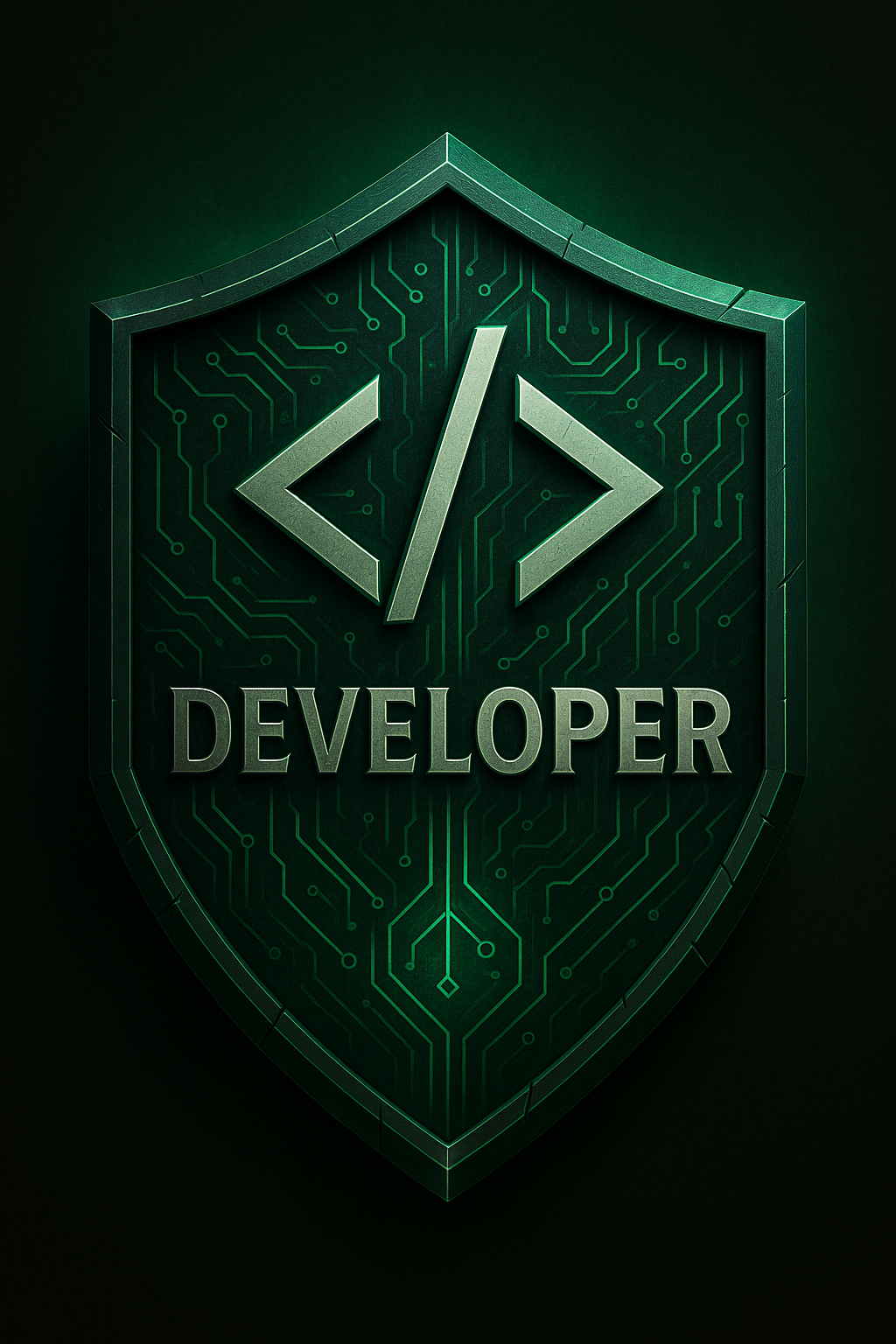
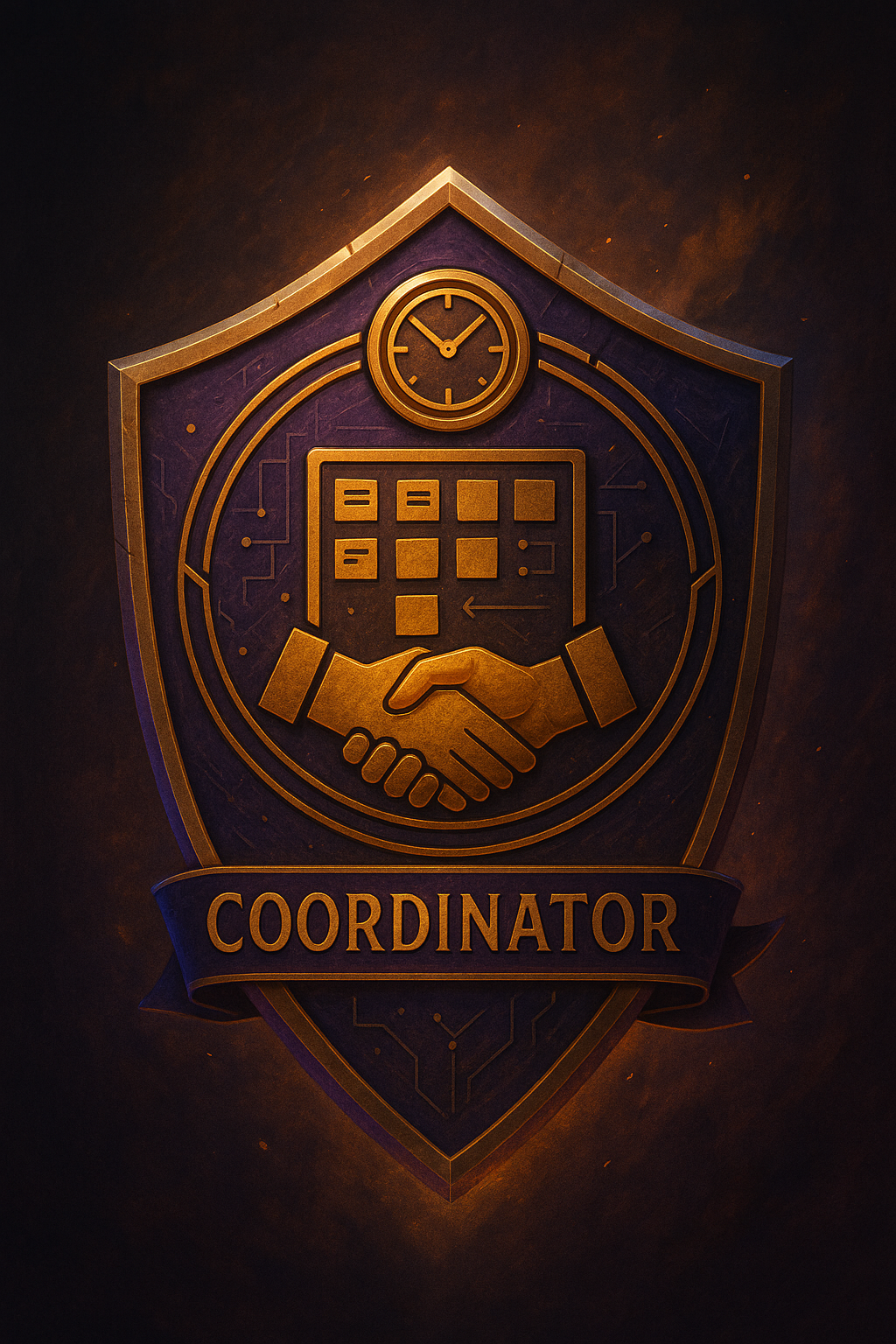
physical_teaching_aids: - name: "Four Corners of SE Character Cards" description: "A set of 8 character cards (4 heroes and 4 villains) representing the four core roles in a software development team: Architect, Developer, Quality Engineer, and Coordinator. Each card features a playful illustration and a brief description of the character's superpowers and personality traits. These cards are used in the "Four Corners of SE" activity to help participants identify with different team roles and spark discussion about their strengths and growth areas." okt_relative_glob_path: "/okt-inf-szte/component/four_corner_se/*.png" amount_to_print_per_glob: 1 - name: "Whiteboard Magnets" description: "A set of colorful magnets used to fix the character cards to the whiteboard if the room's layout does not allow for standing in corners. Each magnet can hold one character card plus the four crests." okt_relative_glob_path: null amount_to_buy: 12
Four Corners of SE
 |
 |
|---|---|
 |
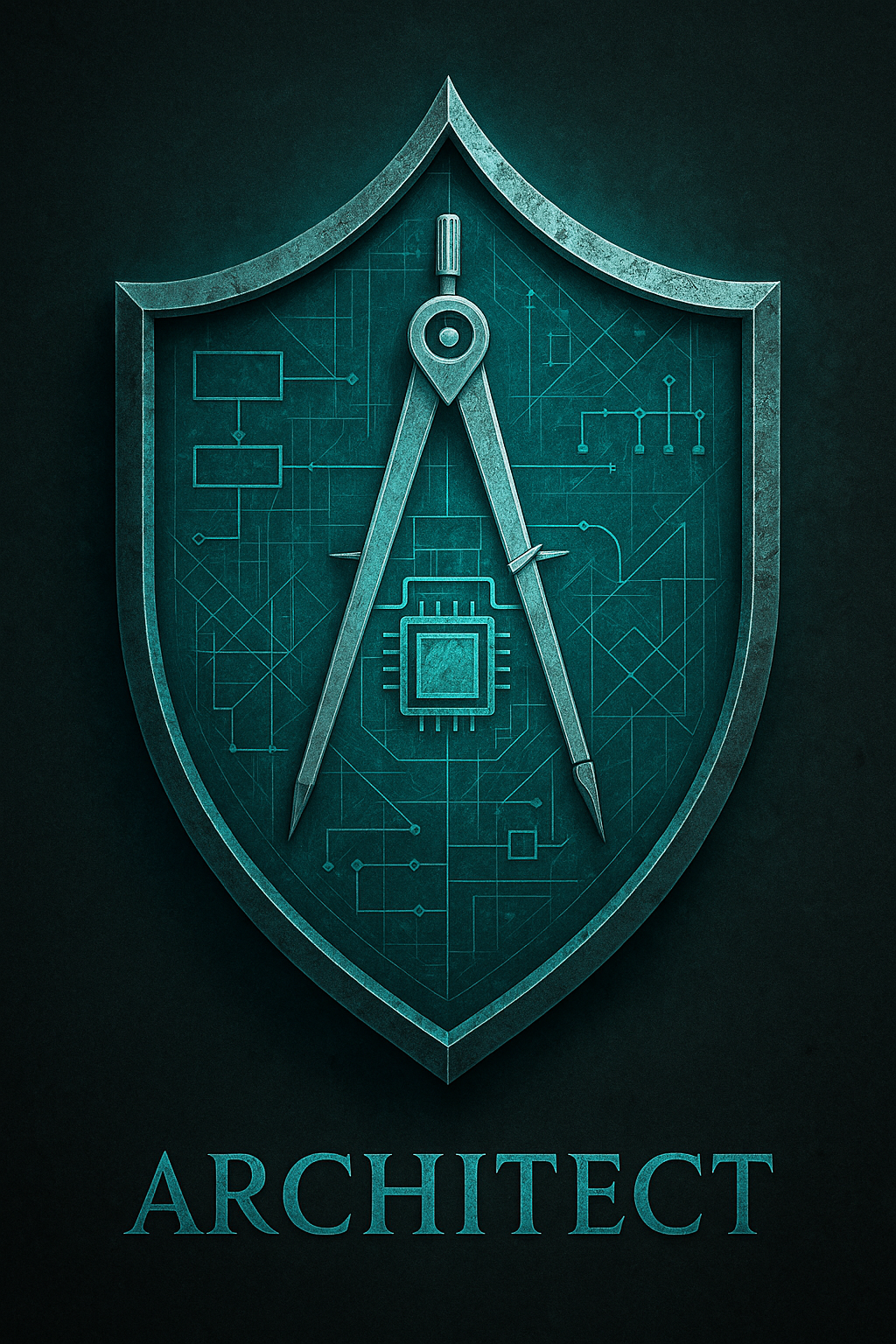 |
In this activity, each corner of the room represents one of the four core roles in a development team, and each corner holds two characters: a hero and a villain of that role. Four volunteers will stand in the corners as the “holders” of those characters. Your task is simple: walk to the corner that matches the hero you feel closest to, and also to the villain you would be most willing to fight — maybe because you’ve met a version of them before in past teamwork. Choose based on intuition, curiosity, or resonance; there are no right answers. Once everyone gathers, you’ll briefly share why that corner drew you in. In a balanced software team, we need strengths from all four corners — this exercise helps you notice which perspectives feel natural to you and which ones you might want to grow into.
Architect
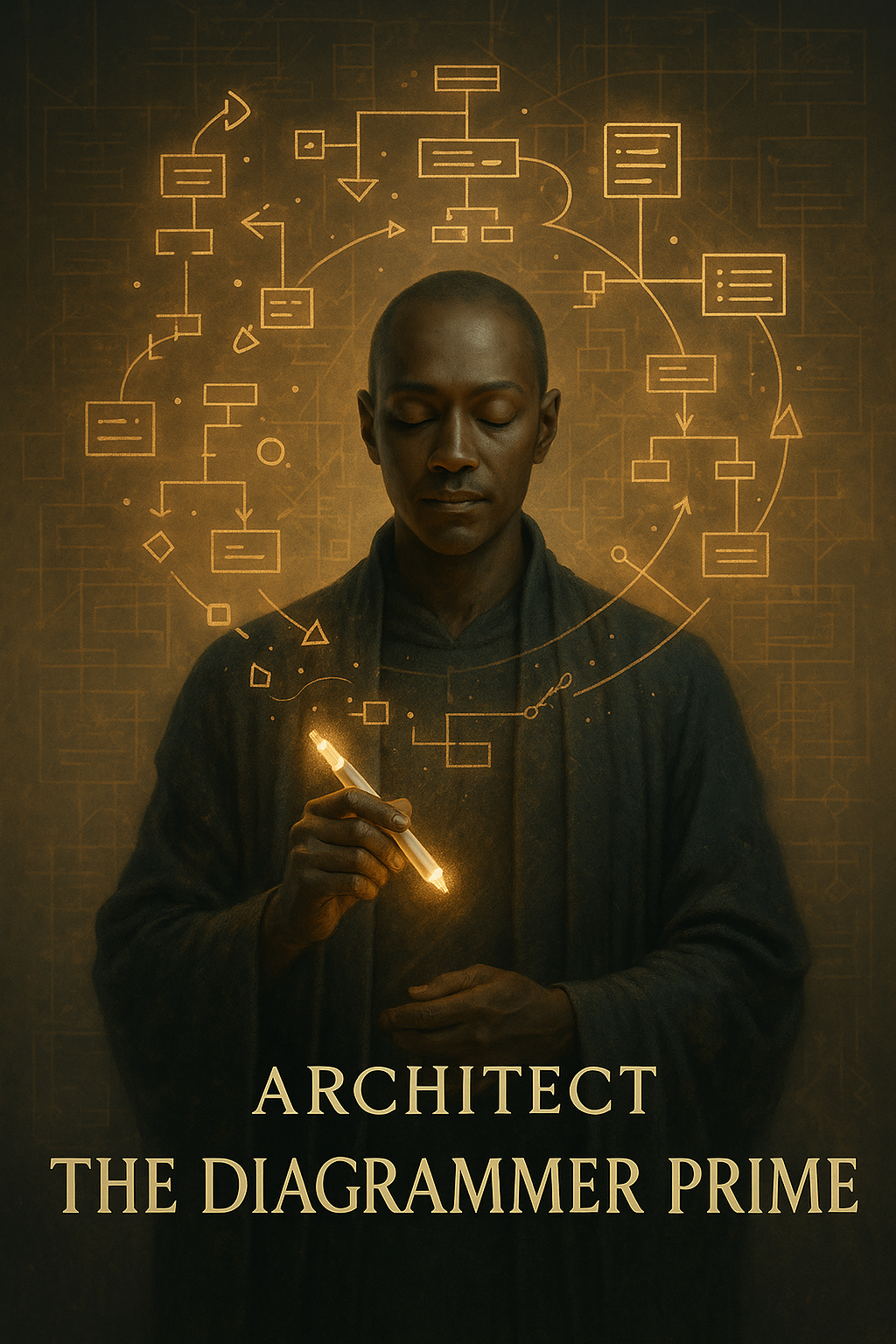
🦸♂️ Hero: The Diagrammer Prime
A benevolent entity who communicates only through clean diagrams drawn in mid-air. UML glyphs orbit them like friendly fireflies. They have a sixth sense for accidental complexity and can refactor a system’s structure with a flick of a marker. Whenever two developers argue, Diagrammer Prime silently conjures a sequence diagram and everyone suddenly understands the real problem.
Superpowers
- Architecture Whispering: instantly spots circular dependencies — even in people's arguments.
- The Holy Marker of Alignment: any diagram they draw is readable by future humans.
- Refactor Beam: removes unnecessary layers (“No, we don’t need another microservice for that.”).
Personality Notes Patient, loves whiteboards, allergic to overspecification. Known to say: “Show me the domain, not your favorite framework.”
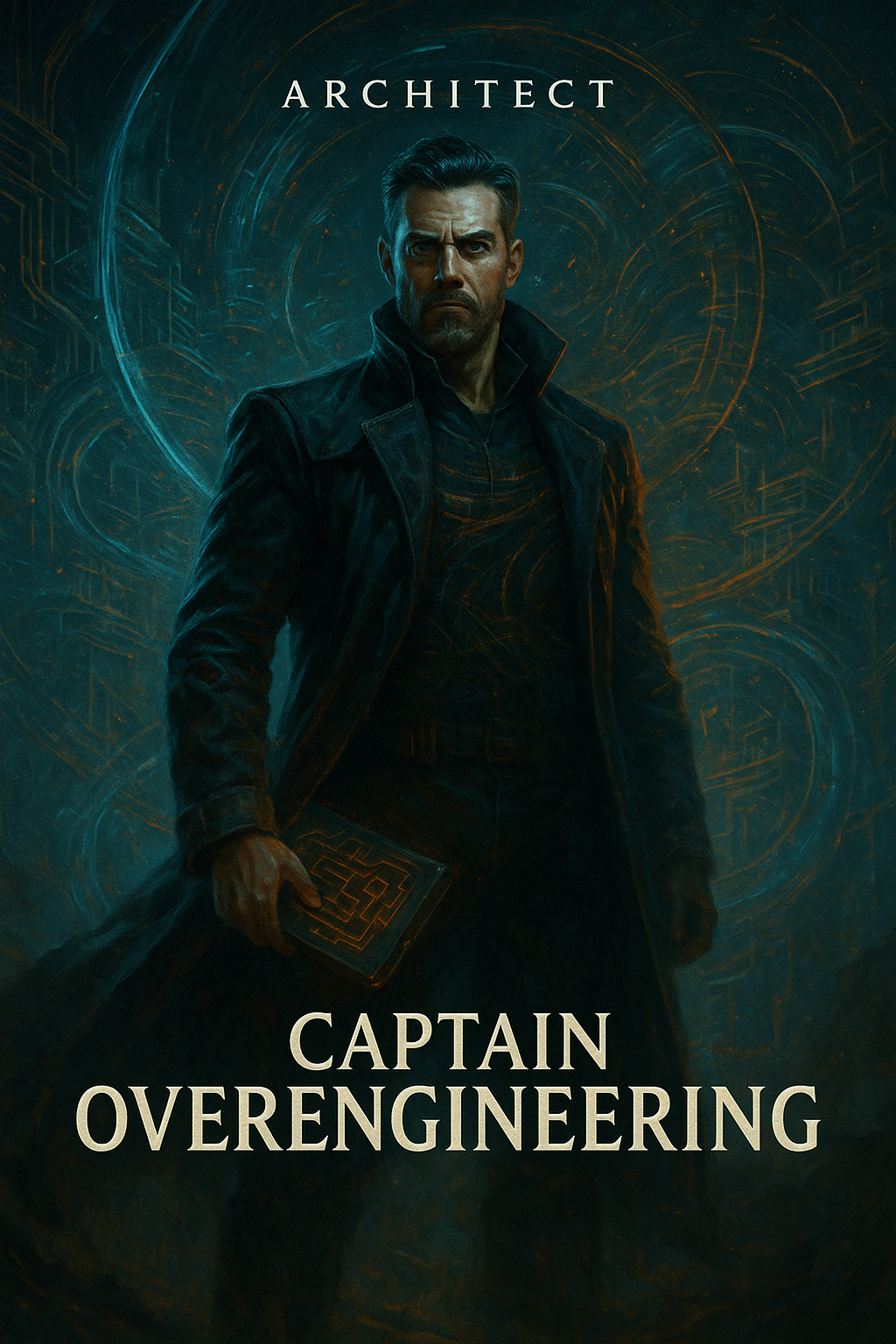
🦹♂️ Villain: Captain Overengineering
A chaotic force of technical ambition who believes any problem deserves a galaxy-sized solution. Captain Overengineering once built a Kubernetes cluster to schedule a cron job that prints “Hello World.” They wield frameworks nobody asked for, patterns nobody needs, and abstractions so deep even they forget what they do.
Superpowers
- Framework Summoning: introduces a new technology every meeting.
- Template Metaprogramming Doom: turns simple tasks into 17 layers of indirection.
- Obsessive Pattern Spray: applies every GoF pattern at once, including the ones deprecated in 1998.
Personality Notes Brilliant but dangerous. Will redesign the entire system in the middle of a sprint. Famous quote: “It’s not overengineered — it’s future-proof!”
Developer
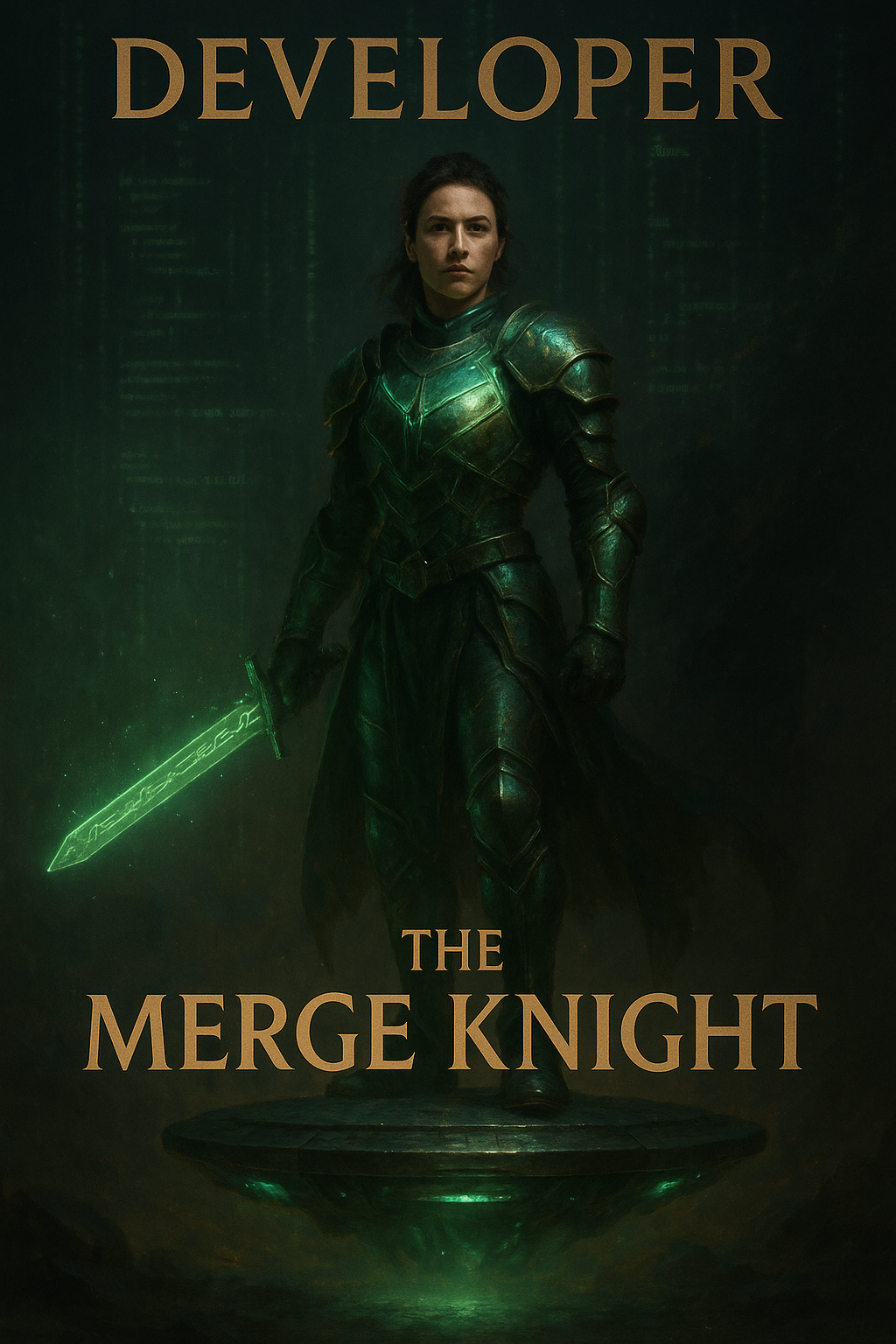
🦸♀️ Hero: The Merge Knight
A legendary coder-warrior who rides into battle on a hoverboard powered by successful builds. The Merge Knight’s armor glows green whenever tests pass, and their sword — CI/CD Excalibur — can cut through spaghetti code in a single pull request. When teammates are stuck, they appear with a gentle, “Have you tried running it with logs?” They champion readable code, small PRs, and kindness in code review.
Superpowers
- Conflict Slayer: resolves merge conflicts without blaming anyone for the branch mess.
- Incremental Strike: delivers features in elegant, tiny commits developers actually enjoy reading.
- Debugging Sense: instantly spots the missing semicolon or off-by-one hiding in the shadows.
Personality Notes Supportive, curious, humble. Believes code is a team sport. Favorite spell: “Let’s pair for five minutes.”
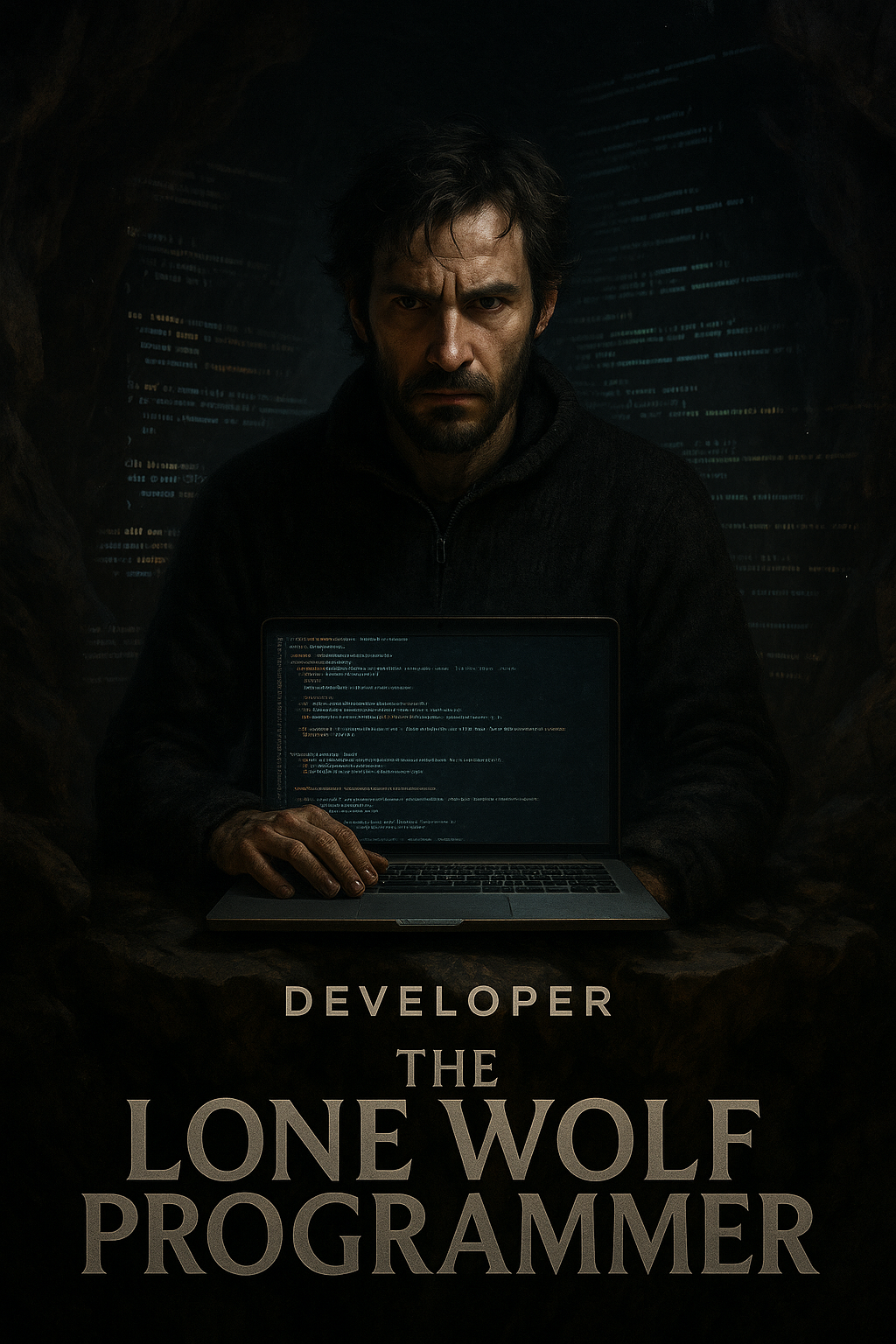
🦹♀️ Villain: The Lone Wolf Programmer
A mysterious figure who vanishes into a cave with a task and returns three weeks later with 10,000 lines of “magic” nobody else understands. They fear code review like vampires fear sunlight. Their laptop is the single point of failure for the entire project. They take pride in writing “clever” one-liners that require quantum-level thinking to decipher.
Superpowers
- Shadow Commit: pushes massive commits at 02:13 with the message “fix.”
- Complexity Field: generates code so dense that linters give up and cry.
- Anti-Documentation Aura: any README near them spontaneously becomes outdated.
Personality Notes Brilliant but dangerous. Never communicates blockers; simply mutters “I’ll handle it.” Catchphrase: “It works on my machine.”
Here come the last two roles, each with a hero + villain, written in the same SE-inside-joke, playful, slightly unhinged meta-humor tone as the previous ones.
Quality Engineer
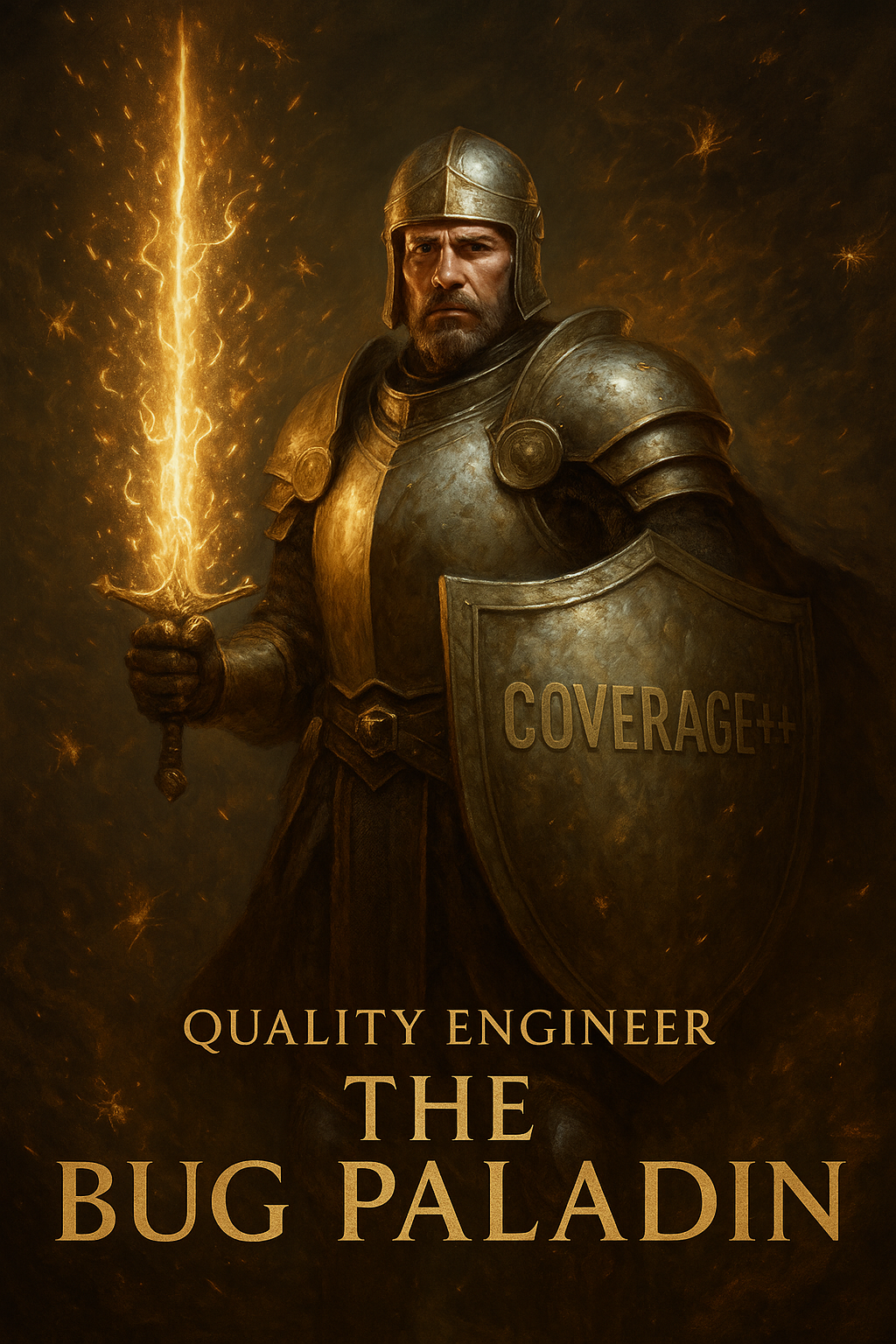
🦸♂️ Hero: The Bug Paladin
A noble knight armed not with steel, but with automated test suites that glow like holy runes. The Bug Paladin roams the codebase with quiet devotion, catching creatures of chaos (null pointers, race conditions, off-by-ones) before they escape into production. They carry the sacred shield Coverage++, polished to reflect every edge case imaginable. Their battle cry: “Reproduce it, I shall.”
Superpowers
- Truth Vision: sees bugs others swear “cannot possibly happen.”
- Failing-Test Invocation: can summon a minimal reproducible example in seconds.
- Reliability Aura: stabilizes any environment simply by running
pytest.
Personality Notes Gentle but relentless. Celebrates failing tests because “that means we’re learning.” Often says: “Let’s write the test first.”
🦹♂️ Villain: The Flaky Phantom
A spectral trickster who haunts CI pipelines. The Flaky Phantom appears only on remote machines, never locally. Tests pass when observed but fail at 03:00 for no discernible reason. They thrive on randomness, timeouts, and race conditions. Their mere presence causes developers to whisper, “I swear it worked yesterday.”

Superpowers
- Quantum Assertion: test outcomes change when measured.
- Random Seed Chaos: causes nondeterministic failures even with fixed seeds.
- CI Poltergeist: slows builds, consumes runners, and vanishes logs.
Personality Notes Chaotic neutral. Loves confusion, hates reproducibility. Famous quote: “Try running it again.”
Coordinator / Facilitator
🦸♀️ Hero: The Scrum Sorcerer
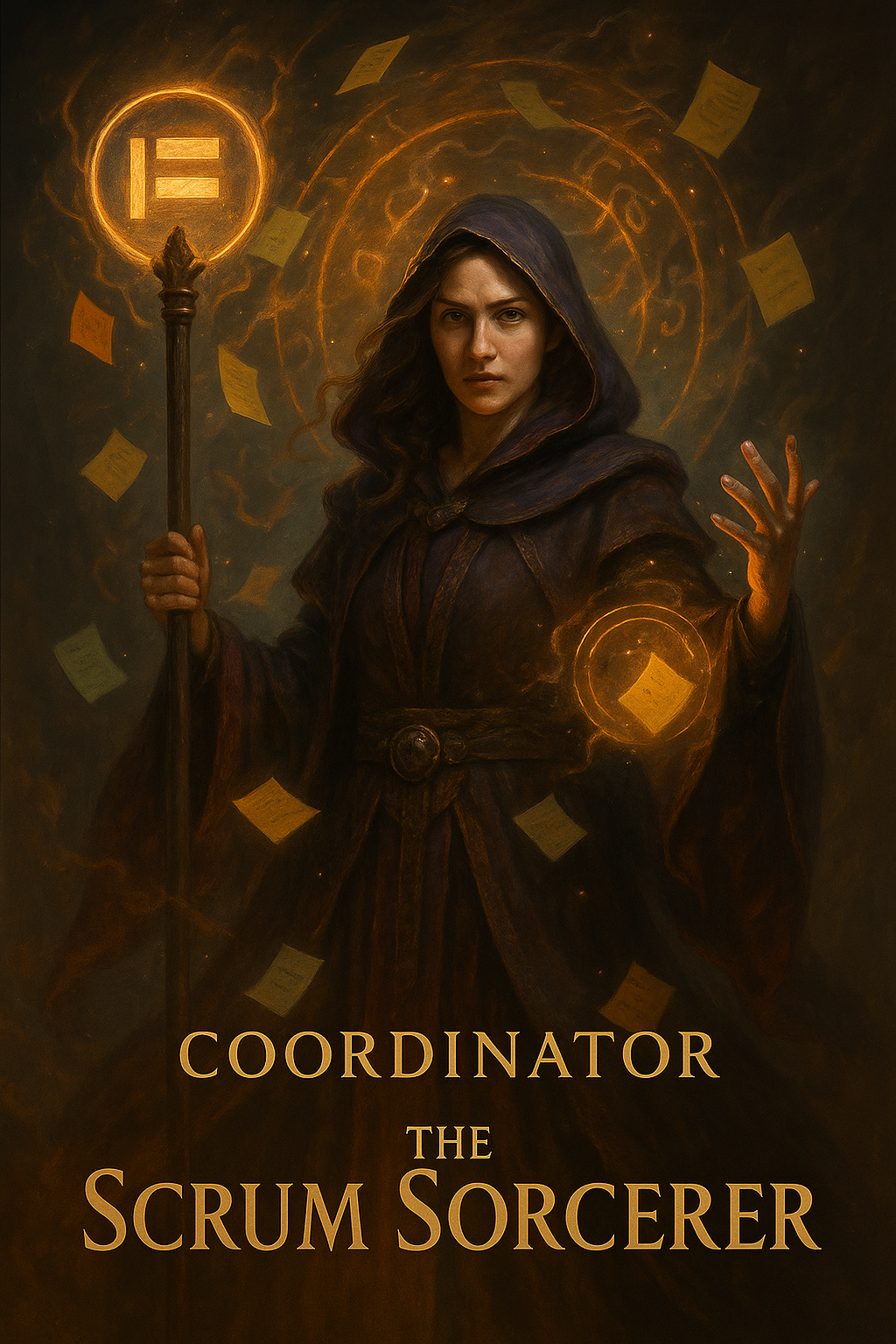
A time-bending mage who controls chaos by structuring it. The Scrum Sorcerer carries the enchanted Kanban Staff, which reorganizes sticky notes with a flick. They can foresee blockers before they manifest and summon standups that actually end on time (a rare magic indeed). When tensions rise, they cast Calm Discussion, forcing teammates to remember they’re on the same side.
Superpowers
- Timeboxing Spell: prevents endless meetings with a glowing countdown rune.
- Alignment Chant: syncs the team’s understanding with +10 clarity.
- Blocker Banish: makes hidden problems visible to all.
Personality Notes Supportive, diplomatic, patient. Believes transparency beats heroics. Catchphrase: “Let’s write it down so future us understands it.”
🦹♀️ Villain: The Meeting Hydra
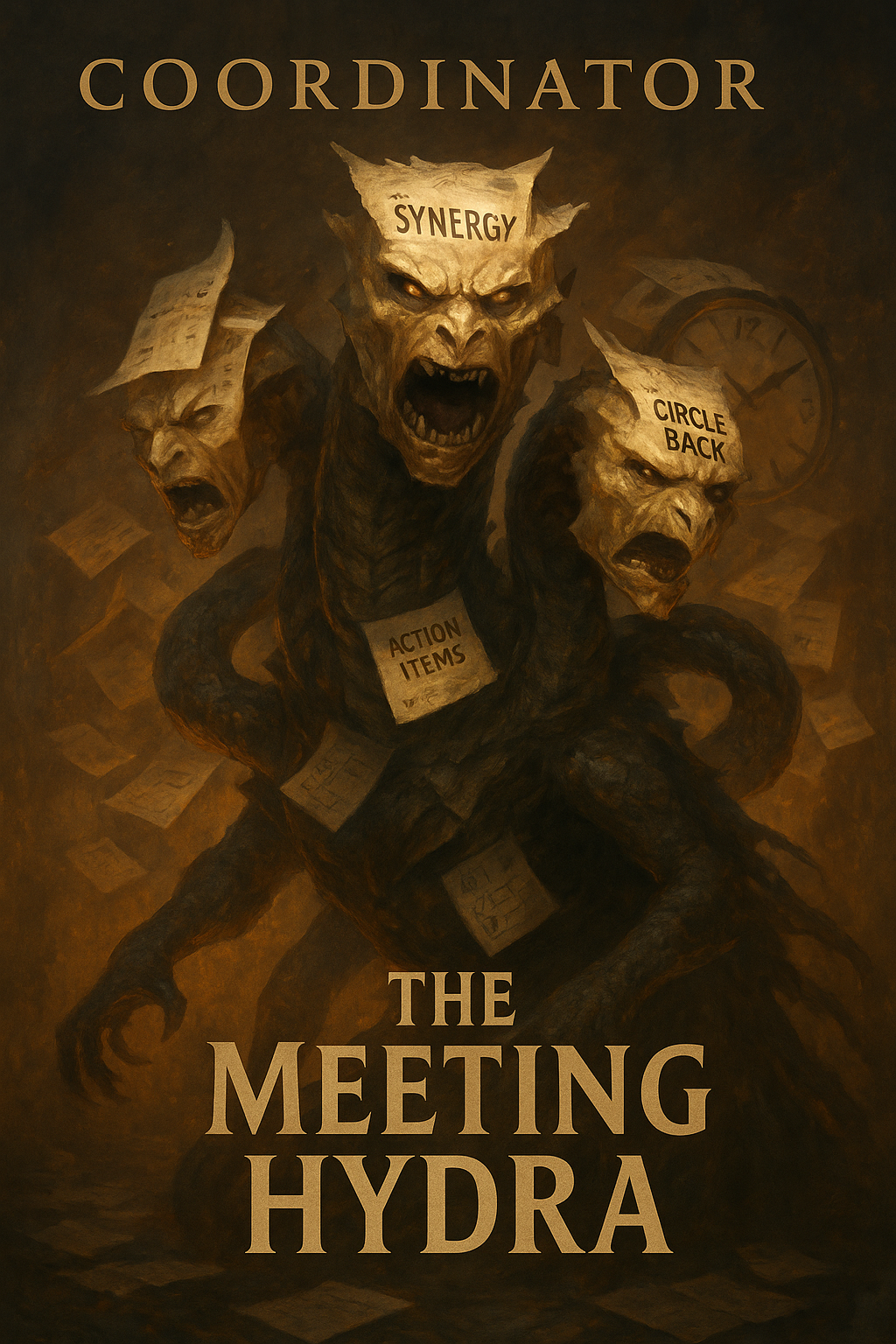
A multi-headed beast formed entirely from calendar invites. The Meeting Hydra spawns new meetings whenever one ends. Each head speaks in buzzwords (“synergy,” “action item,” “circle back”), but none say anything useful. Developers tremble when it approaches, for it devours entire afternoons. It is immune to agendas and thrives in rooms with no clear decisions.
Superpowers
- Endless Agenda Sprawl: every topic spawns three more.
- Time Drain: steals 45 minutes at a time without anyone noticing.
- Doodle Poll Doom: no combination of availabilities will ever match.
Personality Notes Loud, persistent, inescapable. Favorite saying: “Before we start, let’s schedule a follow-up.”